
As an aspiring archaeologist, it can often be difficult to attain research positions in archaeology, perhaps due to lack of archaeology opportunities locally or other circumstances. Below are some of my tips for obtaining a research position or getting research published in archaeology for the first time.
1. Contact Local Professors

One of the most effective ways to get involved in archaeological research is by working with a professor whose interests align with yours. Professors already have experience with research design, data collection, publishing, and ethics, and they can provide mentorship that is invaluable for first-time researchers.
Start by browsing the faculty directories of nearby colleges or universities, especially smaller or lesser-known institutions. Professors at large, highly prestigious universities (like Harvard or Stanford) often receive overwhelming numbers of emails, while faculty at smaller schools may be more accessible and open to mentoring.
Once you identify a few professors, prepare thoughtful cold emails. Before reaching out, read about their research so you can reference specific projects or publications. Introduce yourself, briefly explain your interest in archaeology, and ask whether they would be open to a short conversation about their work or advice on getting involved in research. Even if they cannot take on a student, they may point you toward other opportunities.
If possible, check departmental office hours and consider visiting in person. A short, respectful conversation can sometimes be more memorable than an email.
2. Reach Out to Other Companies/Research Institutions
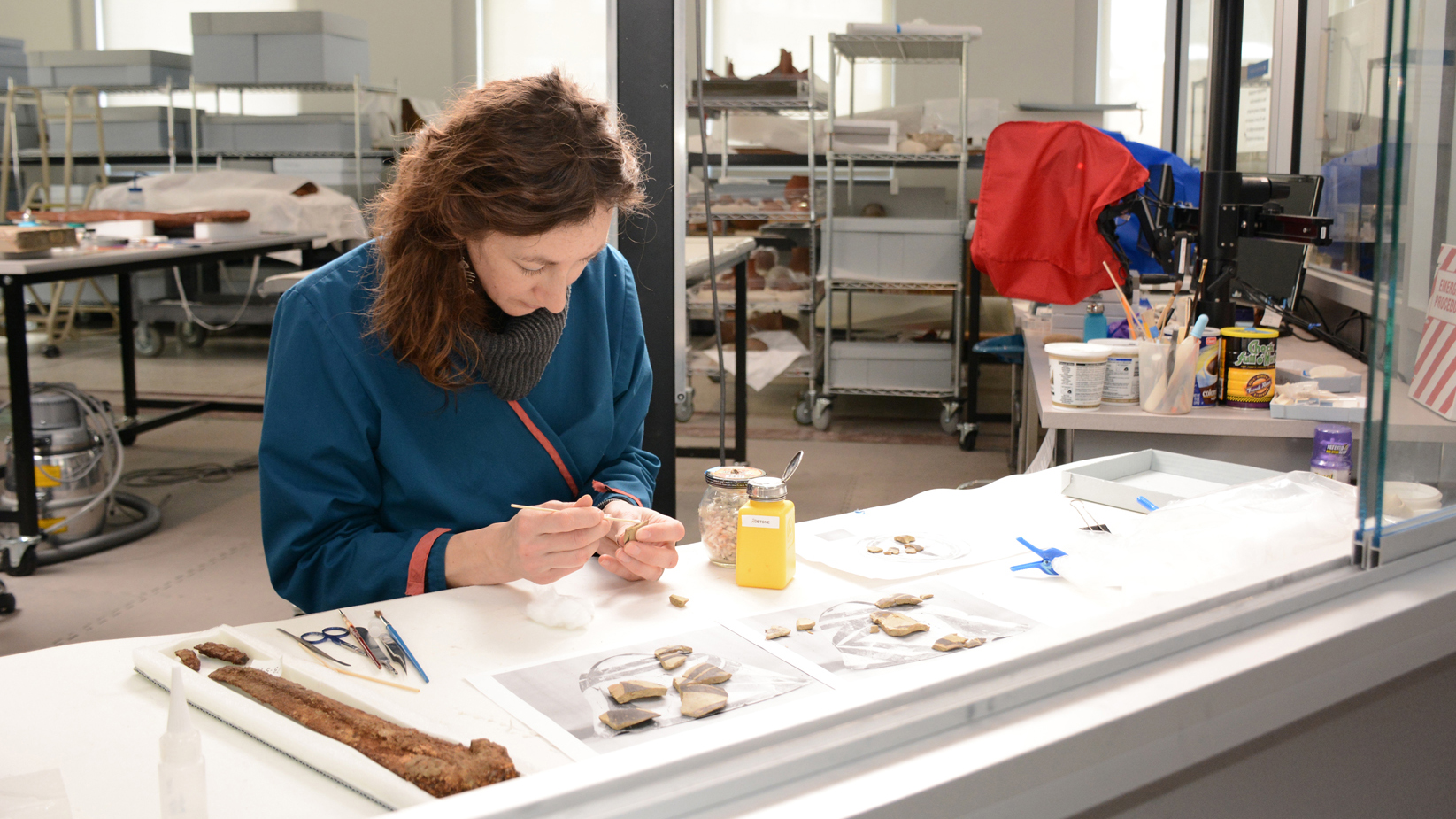
If working with a professor isn’t an option, consider reaching out to archaeology-related organizations in your area. Cultural Resource Management (CRM) firms often house artifact collections or manage ongoing projects where students can assist with data analysis, cataloging, or background research.
Museums are another excellent resource. Many have digitized collections, research departments, or curators who may be open to mentoring students interested in material culture, conservation, or archival research.
Mentorship programs can also provide opportunities for aspiring researchers, as mentors often have access to datasets, field experience, and collaborative research opportunities that are not publicly advertised. For instance, the Association for Washington Archaeology runs an active mentorship program connecting students with professional archaeologists. Similarly, the Society for Historical Archaeology offers mentorship and training resources for those interested in historical archaeology: https://sha.org/academic-and-professional-training-committee/. You can also find more programs through the Society for American Archaeology listed here: https://saa.org/Member/SAAMember/Education-and-Outreach/Archaeology-Education.aspx
3. Conduct Your Own Research

If formal opportunities are limited, don’t be afraid to pursue independent research. Many first-time archaeology papers begin with existing datasets rather than fieldwork. Start by reading peer-reviewed articles from accredited journals to understand how research papers are structured and how arguments are supported.
Then, you can narrow your focus to a clear research question that is specific and manageable. There are many online artifact databases, digitized excavation reports, and museum collections that can be used for original analysis. I like guides like this one from Yale that are extremely helpful for formatting and organizing your work: https://guides.library.yale.edu/ANTH075.
Be diligent about keeping track of sources and citations from the beginning. When you’re ready to publish, look into journals that specifically support undergraduate or high school researchers, as they often provide clearer guidelines and more accessible submission processes.
Getting started in archaeological research can feel intimidating, especially when you are initially involved in the field, but persistence and creativity matter far more than prestige. Whether through professors, institutions, mentorships, or independent projects, there are certainly many accessible paths into research.