
How do archaeologists make sense of thousands of years of human history without written records? The Three Age System was one of the first frameworks that helped make sense of human prehistory, organizing thousands of years of innovation into a clear technological timeline.
What is the Three Age System?
The Three Age System is a foundational archaeological framework developed in the early 19th century to organize and interpret human prehistory, which is the period of human history before written records. It was created by Danish archaeologist


Christian Jürgensen Thomsen, the first curator of the National Museum of Denmark. While working with the museum’s extensive artifact collection, Thomsen noticed patterns in the materials and styles of tools and objects correlated with the depth they were found, stone almost always being deeper than bronze and iron, leading to his proposal of a systematic way to arrange artifacts chronologically.
The Three Age System classifies prehistoric artifacts based on the primary material used to make tools and weapons, based on the idea that technological change follows a general progression over time. Thomsen identified three major stages of human technological development: Stone, Bronze and Iron. Each age reflects shifts in manufacturing , social organization, and human interaction with the environment. Though simple by modern standards, this framework revolutionized archaeology by providing one of the first scientific methods for relative dating and remains a foundational concept in the field even today.
The Stone Age
The earliest period was the Stone Age, spanning 2.6 million years ago from roughly around 4000 to 3300 BCE, or the production of stone implements to the first use of Bronze. There is also evidence humans were not the first species to use stone tools, and it’s believed that some of the Australopithecines were the first tool makers predating the emergence of Homo genus.


During most of this time period, Earth was experiencing the Ice Age, meaning colder global temperatures and glacial expansion as humans lived in small, nomadic, hunter-gatherer groups. Animals such as saber-toothed cats, giant ground sloths, and wooly mammoths roamed feely. Humans fashioned not only stone tools, but also those of other organic materials like wood, leather, antler, and bone, used mainly to hunt and extract meat from large mammals. When the Ice Age ended and the Earth warmed, conditions for agriculture became better, causing wild varieties of wheat and barley began to flourish. Thus, humans settled down and adopted agricultural, sedentary lifestyles.
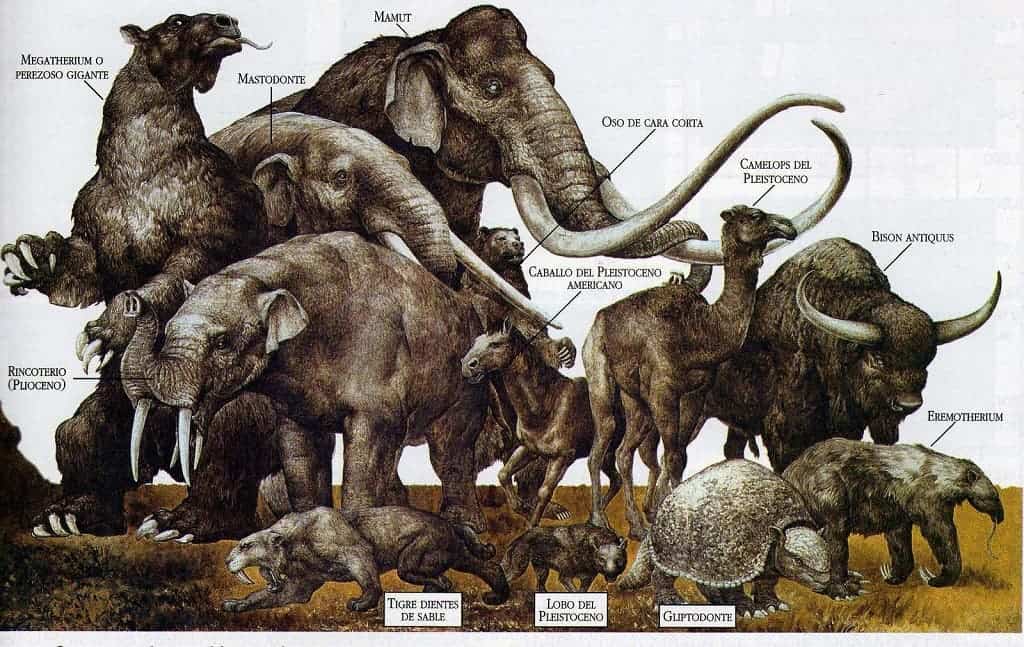
The Stone Age can be further divided into three subperiods. The oldest and the longest is the Paleolithic/Old Stone Age at the end of the last Ice Age around 9600 BCE. Common artifacts include hand axes, choppers, and flake tools made through basic stone-knapping techniques, as well as bone and antler tools. Cave art, carvings, and early ritual objects also appear during this period, reflecting the development of symbolic thinking and early forms of cultural expression.
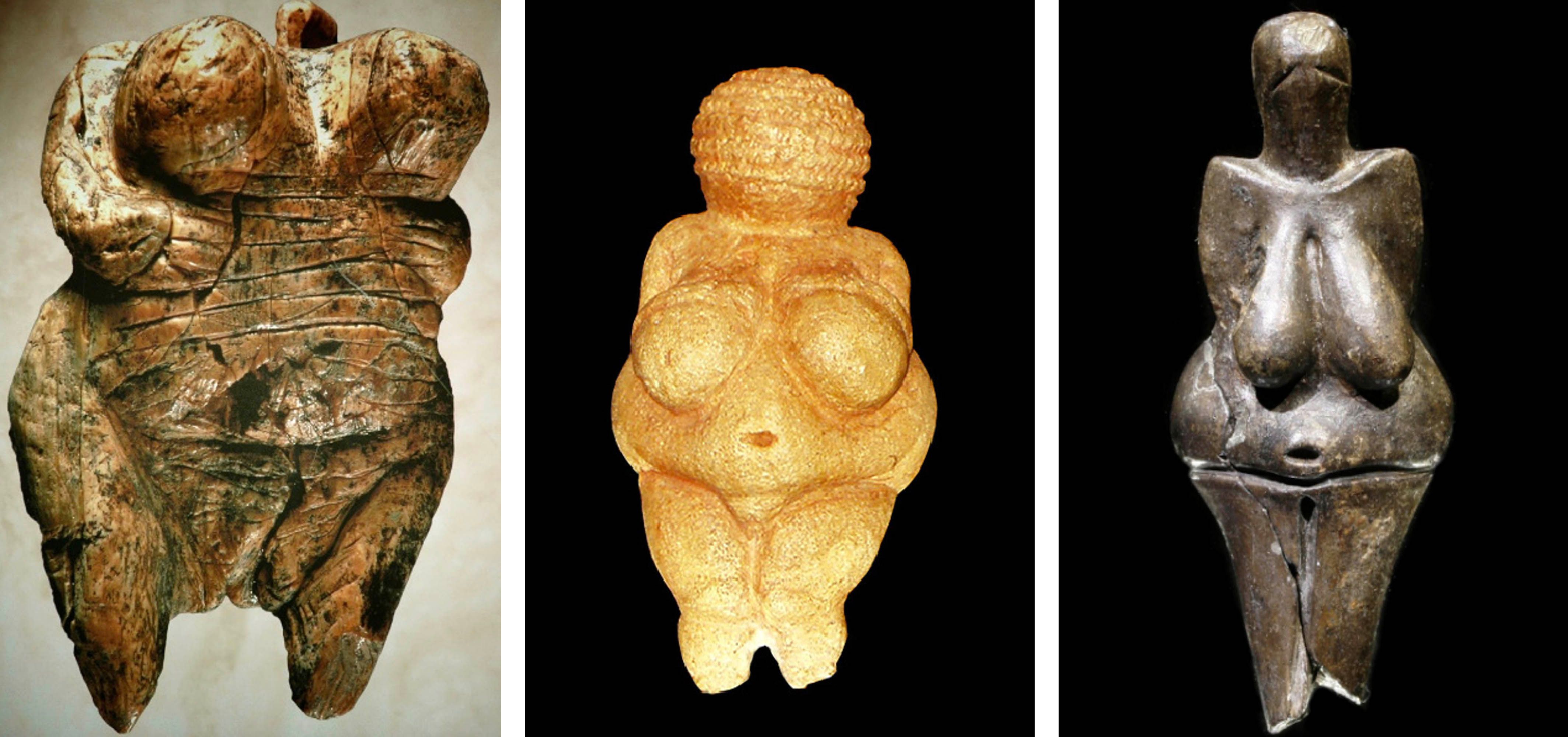
The Mesolithic period represented a transitional phase between the Paleolithic and Neolithic, characterized by diverse subsistence strategies and adaptations to post-Ice Age environments. Artifacts from this period often include microliths (small, finely crafted stone tools used in composite weapons like arrows and spears) as well as fishing tools such as harpoons and nets. These tools suggest more specialized hunting, fishing, and gathering practices, along with growing regional variation.
The Neolithic period is defined by the shift to agriculture, permanent settlements, and new technologies. Common artifacts include polished stone tools such as axes and adzes, pottery for storage and cooking, and tools associated with farming, like sickles. The rise of food production also led to architectural remains, decorative objects, and evidence of trade, reflecting more complex social structures and long-term community life.

The Bronze Age
The Bronze Age, lasting from roughly 3300 to 1200 BCE, marked a major technological shift with the introduction of metalworking. There is evidence that humans began smelting copper as early as 6000 BCE in the Fertile Crescent, but Ancient Sumer may have been the first to experiment with the alloying of copper and tin to create bronze. Bronze was harder and more durable, making it better for weapons and tools than copper. Common artifacts include bronze tools, weapons, jewelry, and decorative objects, which required specialized knowledge and access to trade networks for raw materials.

/https://tf-cmsv2-smithsonianmag-media.s3.amazonaws.com/filer_public/43/99/4399bb83-f906-4455-a7ac-a0e94b1a7221/aa_bronzedepot_abbildung_3.jpg)
It is for this reason, this period is often associated with the growth of complex societies as powerful kingdoms ruled by a centralized government emerged, interacting with each other through trade, warfare, migration and the spread of ideas. Well-known kingdoms famous today include Sumer, Babylonia, Assyria, and Athens. Many cultures in Mesopotamia, which used cuneiform script, and Egypt, which used hieroglyphs, also began developing early practical writing systems.

The Bronze Age collapsed abruptly around 1200 BCE. Although the exact cause is unknown, historians determined it to be a sudden, violent, and culturally disruptive event that affected the Middle East, North Africa and Mediterranean Europe. Many major Bronze Age civilizations, such as, Mycenaean Greece, the Hittite Empire in Turkey and Ancient Egypt, fell within a short period of time. There are many competing theories, some including include natural disasters, disease, famine, invasions by nomadic tribes, economic disruptions due to increased ironworking, and sociopolitical unrest.
The Iron Age
Following the collapse of the Bronze Age, changes in metallurgic technology led to the subsequent Iron Age across Europe, Asia, and Africa beginning between 1200 and 600 BCE. When trade routes were abandoned, tin was made scarce, forcing metallurgists to find an alternative to Bronze. Iron was previously thought of as an inferior metal, working with it was labor intensive and it was not much stronger than bronze. However, after the Hittites discovered iron could be made much more durable by heating iron with carbon, iron easily replaced bronze as a stronger, cheaper, lighter, and more easily accessible material.

With the widespread use of iron, soldiers could be more easily and affordably equipped with weapons such as swords, spearheads, and armor, allowing states to maintain larger, more organized armies and pursue territorial expansion. The Iron Age witnessed the rise and fall of powerful kingdoms and empires, including the Israelites, Babylonians, Persians, Greeks, and Romans. Advances in iron and early steel tools also transformed construction and craftsmanship, making stone carving more efficient and durable. As a result, monumental stone architecture increasingly replaced earlier mud-brick structures, and cities became home to grand palaces, engineered gardens, and symbolic displays of power, such as those attributed to Nineveh and the Hanging Gardens of Babylon.


Limitations
Despite its influence, the Three Age System has notable limitations. It was developed based largely on European archaeological material and does not apply neatly to all regions of the world, where technological developments followed different paths or occurred simultaneously rather than sequentially, critics argue that it often upholds internal colonialism and Eurocentrism within archaeology. Many societies used stone, bronze, and iron tools at the same time, and some regions never experienced a distinct Bronze Age at all. Additionally, the system focuses heavily on material technology, oversimplifying the cultural, social, and symbolic aspects of human societies that are not defined solely by tool materials.
Today, the Three Age System is used as a broad interpretive and teaching framework rather than a strict chronological model. Modern archaeologists rely on more scientific dating methods such as radiocarbon dating, dendrochronology, and stratigraphic analysis to establish more precise timelines (see my blog post here for an in-depth discussion). However, the Three Age System remains valuable for understanding long-term technological trends and for introducing students to archaeological thinking. Although its need for regional nuance and flexibility should be acknowledged, its simplicity allows novice archaeologists to communicate complex ideas about human development in an accessible way.
The Three Age System may no longer serve as the primary method for dating archaeological sites, but its legacy remains deeply embedded in the discipline, laying the groundwork for archaeology as a scientific field. While imperfect, the system continues to remind us that even simple frameworks can profoundly shape how we interpret human history, and that revisiting their limitations is just as important as recognizing their contributions.
Works Cited
- Encyclopaedia Britannica. (n.d.). Stone Age: Europe. Retrieved February 6, 2026, from https://www.britannica.com/event/Stone-Age/Europe
- EBSCO Information Services. (n.d.). Iron Age. Retrieved February 6, 2026, from https://www.ebsco.com/research-starters/history/iron-age
- History.com Editors. (n.d.). Bronze Age. Retrieved February 6, 2026, from https://www.history.com/articles/bronze-age
- History.com Editors. (n.d.). Iron Age. Retrieved February 6, 2026, from https://www.history.com/articles/iron-age
- History.com Editors. (n.d.). Stone Age. Retrieved February 6, 2026, from https://www.history.com/articles/stone-age
- History of Information. (n.d.). Christian Thomsen founds the “Three Age System”. Retrieved February 6, 2026, from https://historyofinformation.com/detail.php?id=2619
- National Museum of Ireland. (n.d.). Iron Age. Retrieved February 6, 2026, from https://www.museum.ie/en-ie/collections-research/irish-antiquities-division-collections/collections-list-(1)/iron-age
- Roberts, P., & Louys, J. (n.d.). Prehistory and deep history in Southeast Asia. SAPIENS. Retrieved February 6, 2026, from https://www.sapiens.org/archaeology/prehistory-deep-history-southeast-asia/
- Wikipedia contributors. (n.d.). Late Bronze Age collapse. Wikipedia. Retrieved February 6, 2026, from https://en.wikipedia.org/wiki/Late_Bronze_Age_collapse
- World History Encyclopedia. (n.d.). Stone Age. Retrieved February 6, 2026, from https://www.worldhistory.org/Stone_Age/