Archaeology is often imagined as a discipline dedicated solely to discovering buried history, yet a growing body of work suggests it holds value far beyond historical reconstruction. In recent years, archaeologists and clinicians alike have begun exploring how hands-on engagement with the past can support emotional wellbeing and create opportunities for meaningful social connection.
Archaeology as Therapy
In recent years, some studies have provided evidence of archaeology’s role fostering mental, social, and emotional wellbeing. Often, digging or studying artifacts can provide a sense of purpose and reduce stress, overall having a positive impact on one’s health. One of the earliest and most influential explorations of this idea is the article Archaeology as Therapy: Connecting Belongings, Knowledge, Time, Place, and Well-Being (Schaepe et al., 2017). Through their case studies and research, they found that engaging with archaeological work: handling objects, exploring places, and situating themselves in deep time, helped participants feel more grounded, connected, and emotionally supported. The authors argue that through “belongings, knowledge, time, place, and well-being,” archaeology creates a meaningful space for reflection and healing, especially for children, those with mental disorders, or the physically disabled.
This study helped serve as an initial framework to support many other studies exploring this topic. In Public Benefit as Community Wellbeing in Archaeology (Monckton, 2021), makes the argument that heritage and archaeology projects can (and should) deliver social value beyond knowledge, helping to nurturing inclusion, identity, social connection, and mental-health benefits. This study, based in the UK, proposes utilizing archaeology to target young offenders in prison, preventing crime by addressing developmental disorders, low wellbeing, and loneliness, especially among young boys.
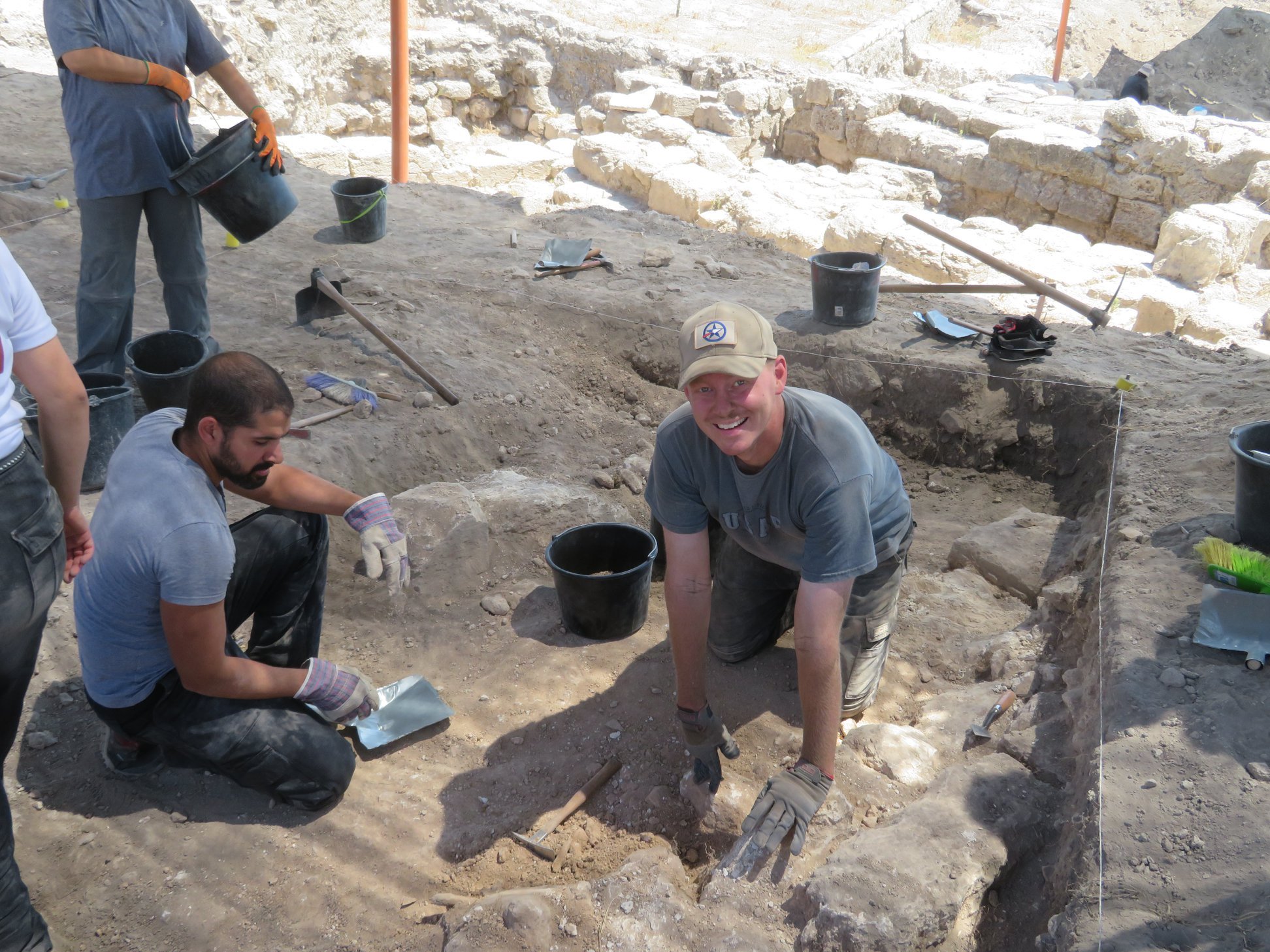
Yet another particularly compelling application of archaeology-as-therapy is in work with veterans. In 2011, the UK began Operation Nightingale, aimed at helping wounded, injured, and sick military personnel who fought in Afghanistan, involving them in archaeological fieldwork as a form of rehabilitation. The study Dig in: An Evaluation of the Role of Archaeological Fieldwork for the Improved Wellbeing of Military Veterans (Everill et al., 2020) tracked veteran involvement in archaeological fieldwork following Operation Nightingale, in digs from the institution Breaking Ground Heritage (BGH). Participants, many with histories of psychological trauma, isolation, or difficult reintegration, experienced improved mental health outcomes, including measurable reductions in feelings of anxiety, depression, and isolation; along with an enhanced sense of being valued, purpose, and belonging after participation.
Archaeology Connecting People to Place and Identity
Archaeology can also act as a bridge between individuals and the histories that shape them, especially for people who feel disconnected from their ancestry, cultural identity, or sense of place.
The article Impact of urban and cultural landscape heritage on mental health: a systematic review and meta-synthesis (Li et al., 2025) argues that “heritage-healing” operates through 3 main ways: the restorative effects of environment/nature, spiritual or symbolic connection to place, and culture, community, and identity. Through “heritage healing”, cultural landscapes and heritage sites provide more than leisure, becoming areas where people drained from fast-paced urban lifestyles can reconnect with history, community, and themselves. In addition to this, it also offers benefits to immigrants feeling disconnected from new communities. Participation in activities that preserve and celebrate local heritage such as community-organized visits to local museums can help immigrants establish new social connections, while also strengthening their adaptation to the new environment’s historical background and cultural values.
Other studies have also found that by excavating sites directly, individuals, especially indigenous groups that have had their cultural materials wrongfully taken from them in many cases, can feel more deeply interconnected to their ancestors and rituals of the past. In Archaeology as Therapy: Connecting Belongings, Knowledge, Time, Place, and Well-Being (Schaepe et al., 2017), one particular case investigated is that of Klallam tribe in the Coast Salish region. Members volunteered to excavate a disturbed grave site, and although painful to see the destruction of their ancestor’s remains and the site previously labelled an “archaeological disaster”, many also found it therapeutic and deeply healing. One tribe member stated that “It was an honor to be there. I know it changed my life, the way I look at everything, the way I perceive myself” and another stated . By providing opportunities for hands-on excavation, this revitalized interests in culture and history among many Klallam while revealing connections between modern traditions and their ancestors’.
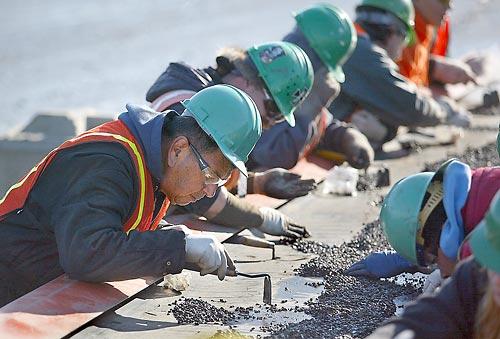
Although this dimension of archaeology is still underdeveloped and in need of far more research, its emerging potential is hard to overlook. When used intentionally, archaeology can do more than uncover the past, helping people find connection, identity, and grounding in the present. Early programs involving veterans, immigrants, and community participants already hint at how archaeological work can foster wellbeing and strengthen social bonds. With greater recognition and collaboration across disciplines, archaeology could become not only a tool for understanding human history, but also a quietly powerful resource for supporting the wellbeing of the people who engage with it.
Works Cited:
-
Schaepe, D. M., Angelbeck, B., Snook, D., & Welch, J. R. (2017). Archaeology as therapy: Connecting belongings, knowledge, Time, place, and Well-Being. Current Anthropology, 58(4), 502–533. https://doi.org/10.1086/692985
-
Monckton, L. 2021 Public Benefit as Community Wellbeing in Archaeology, Internet Archaeology 57. https://doi.org/10.11141/ia.57.12
-
Operation Nightingale. (n.d.). Wessex Archaeology. https://www.wessexarch.co.uk/our-work/operation-nightingale
-
Everill, P., Bennett, R., & Burnell, K. (2020). Dig in: an evaluation of the role of archaeological fieldwork for the improved wellbeing of military veterans. Antiquity, 94(373), 212–227. https://doi.org/10.15184/aqy.2019.85
- Li, H., Xue, T., Zhang, A. et al. Impact of urban and cultural landscape heritage on mental health: a systematic review and meta-synthesis. BMC Public Health 25, 3095 (2025). https://doi.org/10.1186/s12889-025-24211-z