
The process of excavating human remains can be a physically delicate, culturally sensitive matter that must be completed with care and precision. When handled with necessary care, it can yield extraordinary insights into the health, diet, migration patterns, and social organization of past civilizations. If approached carelessly or without ethical consideration, it can cause lasting harm to descendant communities and erode public trust in the field itself.
The Excavation Process
Before any excavation of human remains begins, a site must first assessed thoroughly. Using technology like ground-penetrating radar (GPR) or magnetometry surveys, archaeologists can detect subsurface anomalies without unnecessary disturbances. Once a burial is identified, the surrounding soil is carefully removed using hand tools, usually wooden or plastic instruments near bone to avoid scratching fragile surfaces, working from the outside inward.
Skeletal remains are exposed methodically, with the position of each individual bone or fragment recorded photographically and through detailed field drawings before anything is lifted. The orientation of the body, the depth of the burial, the presence of grave goods, and the condition of the surrounding soil all contain critical contextual data that at risk of being lost the moment remains are removed from the ground. Soil samples are also routinely collected from around and beneath the skeleton to allow for later chemical and botanical analysis.
Once fully exposed and documented, remains are lifted with care, wrapped in acid-free tissue (prevents deterioration of DNA and proteins), and placed in archival boxes for transport to a laboratory. Fragile or fragmentary material may be reinforced using conservation-grade adhesives before transport. The entire process, from initial identification to final removal, may take days or even weeks for a single burial, and is a highly meticulous, detailed process.
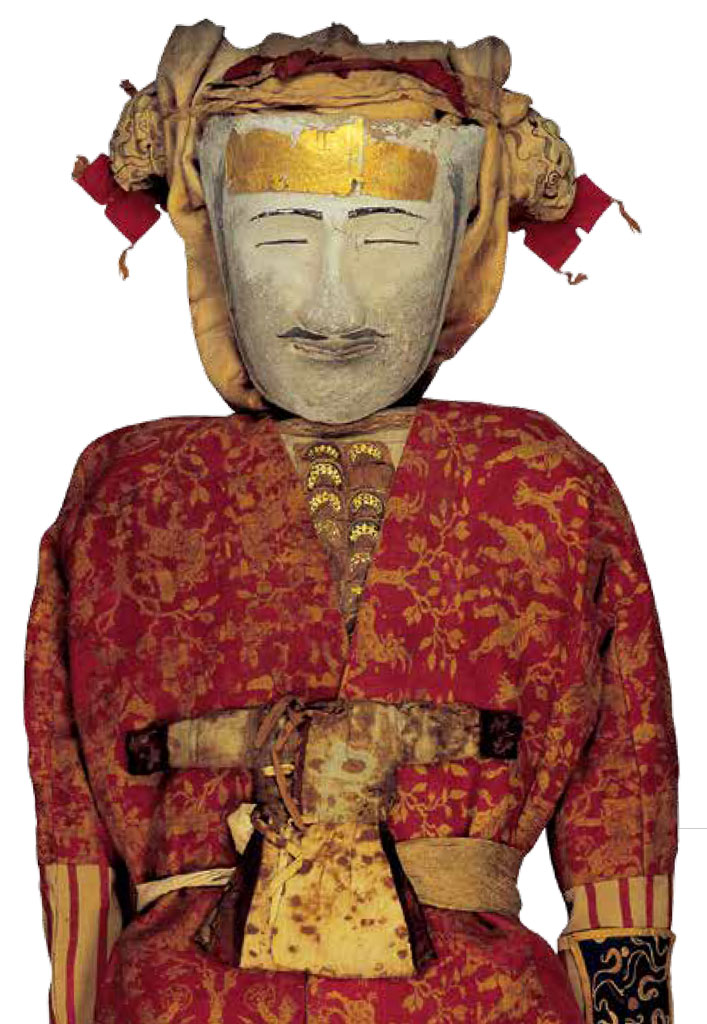
In the Tarim Basin of China’s Xinjiang region, hundreds of 4,000 year-old Bronze Age human remains from the Tarim people who had buried them centuries ago. The team used GPS equipment to relocate lost sites, such as the Xiaohe complex. Thanks to the extreme dryness and salty soil of the desert region, the mummies were remarkably well-preserved, some still retaining notable facial features, hair, and clothing. After excavation, remains were transported to specialized labs, like the ancient DNA laboratory at Jilin University. Due to the intact state of the remains, archaeologists could gain much information from the mummies, carefully conducting DNA analysis and even reconstructing what the mummies had once looked like alive.
Technology
The laboratory analysis of human remains has been transformed in recent decades by advances in scientific technology, enabling archaeologists to extract information that would have been unimaginable to earlier generations of researchers.
-
Ancient DNA (aDNA) Analysis
Ancient DNA analysis utilizes a complex process used to recover and sequence genetic material from remains that are hundreds to hundreds of thousands of years old. To do so, archaeologists select bones or teeth to analyze, often scraped away or blasted with UV light to remove surface contaminants, and then a small portion of which may be milled into a fine powder. Afterwards, the bone sample is demineralized, digested, and purified to isolate the DNA. Then, scientists target the specific ancient DNA they want to study, using machines like those from Illumina to read millions of these small fragments simultaneously and digitizing the genetic code into a letter-based sequence (the familiar ATCG codes we know!). Powerful computers are used to piece the short, digital fragments back together, often by comparing them to a “reference genome” of a closely related modern species (like using a modern human genome to map Neanderthal DNA).
Consumer DNA companies like 23andMe and FamilyTreeDNA use this same method to compare your genetic markers (SNPs) to high-quality reference genomes extracted from ancient fossils to find matching segments. They then calculate your Neanderthal percentage by counting how many of these specific prehistoric variants you’ve inherited compared to their total database.
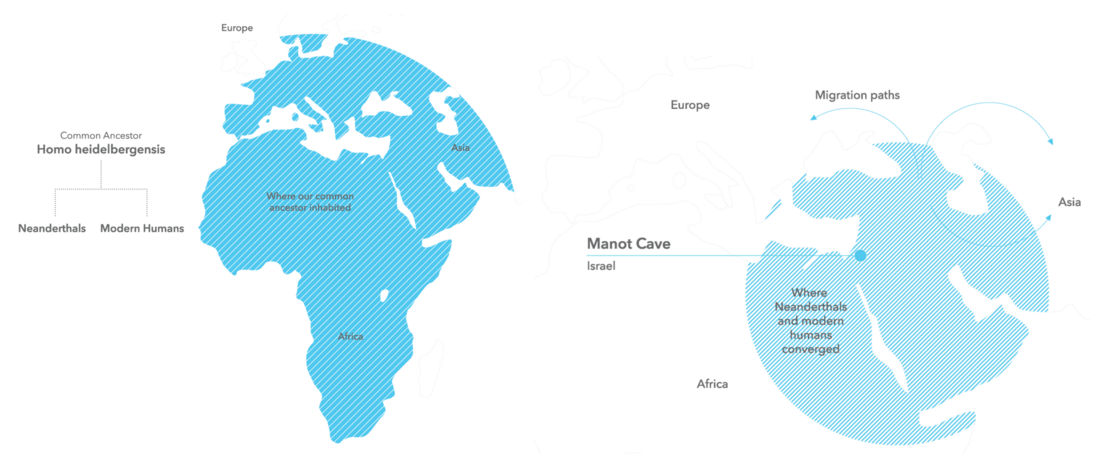
By sequencing genetic material preserved within teeth or dense cortical bone, researchers can determine biological sex with high accuracy, identify familial relationships between individuals in the same burial ground, and trace broad patterns of migration and population movement across centuries. Studies using aDNA have fundamentally revised our understanding of the peopling of Europe and the spread of the Indo-European languages.
-
Proteomics
When a person dies and is buried, most biological material breaks down quickly, but proteins locked inside dense materials like tooth enamel and bone can survive for an extraordinarily long time. Using palaeoproteomics, archaeologists can find and reading those ancient proteins. As opposed to aDNA analysis, proteomics reads all proteins rather than just DNA. DNA is better for tracing ancestry, family relationships, and population migrations, while proteomics can help determine biological sex from fragmentary remains, diet, disease, and species identification.
Beginning with a small sample, usually a fragment of tooth or dense bone, archaeologists grind it down, treat it with chemicals to release the proteins, and break it apart into smaller fragments using a biological enzyme. Those fragments are then run through a mass spectrometer, a machine that weighs each piece at extraordinary precision and identifies it by its unique molecular signature. A computer then matches those signatures against known protein databases to determine what they came from and specifics of its owner.
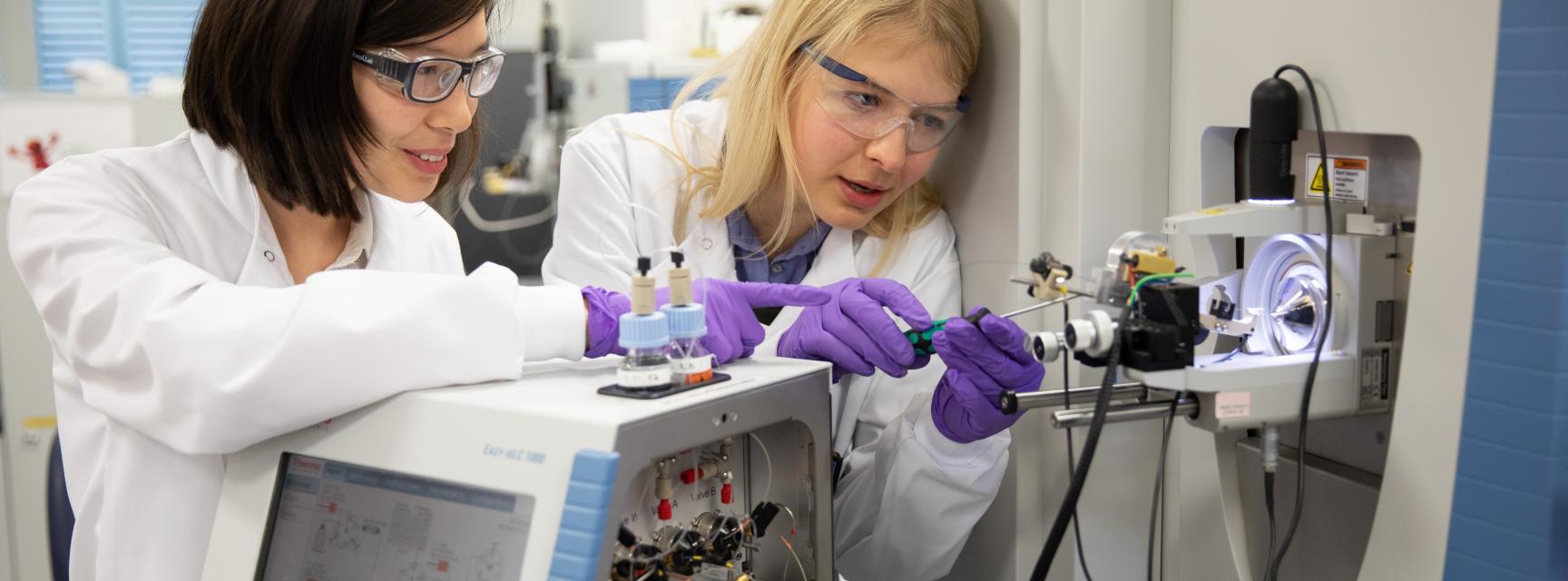
Proteomics has several advantages over traditional DNA analysis, most notably that proteins survive far longer, making it valuable in warm or humid environments like Africa and Southeast Asia where ancient DNA rarely preserves well. In practice, it can determine biological sex from tooth enamel with greater accuracy than both DNA and traditional bone analysis. It can estimate a person’s age at death, identify what they ate from proteins preserved in hardened dental plaque, and even detect signs of illness from immune response proteins. It is also widely used to identify which fragmentary bone scraps from a site are human and which belong to animals, a task that would otherwise require a specialist to examine each piece individually.
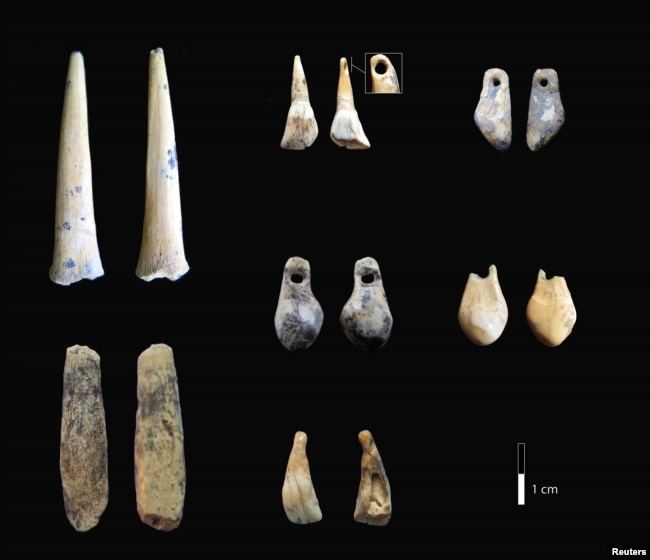
One case where proteomics led archaeologists towards a critical discovery was when a tiny bone fragment from Denisova Cave in Russia was discovered. The fragment was too small and damaged to identify visually, but proteomic analysis flagged it as hominin, the group consisting of modern humans, extinct human species and all our immediate ancestors. Further aDNA analysis then revealed it belonged to a girl whose mother was a Neanderthal and whose father was a Denisovan, a groundbreaking finding in that it was the first direct evidence of interbreeding between two distinct human species ever discovered. Without proteomics to identify the fragment in the first place, the bone would likely have been catalogued as unidentifiable or too insignificant, and ultimately overlooked.
-
Stable Isotope Analysis
Stable isotope analysis is a technique that reads the chemical signatures preserved in bone and tooth enamel to reconstruct details of a person’s life. Different foods, water sources, and geological environments contain slightly different ratios of naturally occurring chemical variants called isotopes, and as your body builds bone and tooth enamel, those ratios are permanently written in your body even after death, which archaeologists can the read to gain insight into a person’s life.
A small sample of bone collagen or tooth enamel is extracted, chemically processed, and run through a mass spectrometer (the same core instrument used in proteomics), though different things are measured. The machine measures the ratio of heavier to lighter isotope variants of a given element. The most commonly analyzed elements are carbon, nitrogen, strontium, and oxygen, each of which can be used to hone in on different aspects of the deceased’s life. Because tooth enamel forms during childhood and does not remodel or change after it mineralizes, it captures a permanent record of where a person spent their early years. Bone, by contrast, remodels gradually throughout life, so it reflects the last several years before death rather than childhood. Comparing the two can reveal changes throughout an individual’s lifetime.
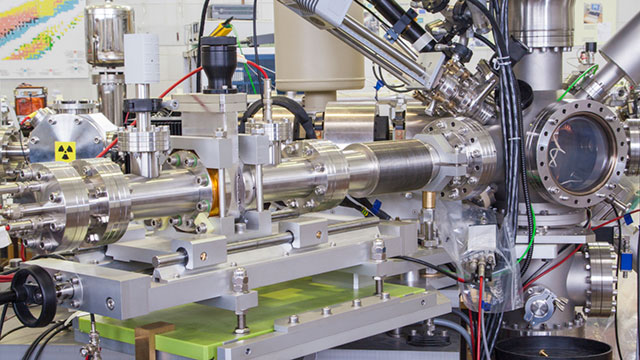
Archaeologists may use carbon ratios to distinguish between different types of plant foods consumed, while nitrogen ratios can indicate how much animal protein a person consumed and from how far up the food chain. This has been used to track major dietary shifts in past populations, such as the adoption of farming or increased reliance on marine resources. In addition, strontium varies according to the underlying geology of a region, for instance, the strontium signature of chalk downland is measurably different from that of a volcanic island or an inland river valley. When the strontium ratio in a person’s tooth enamel doesn’t match the local geology of the site where they were buried, it is strong evidence that they grew up somewhere else entirely. Stable isotope analysis of individual remains can provide archaeologists context for processes of movement and exchange that would otherwise only be visible at a population level, or even absent at sites.
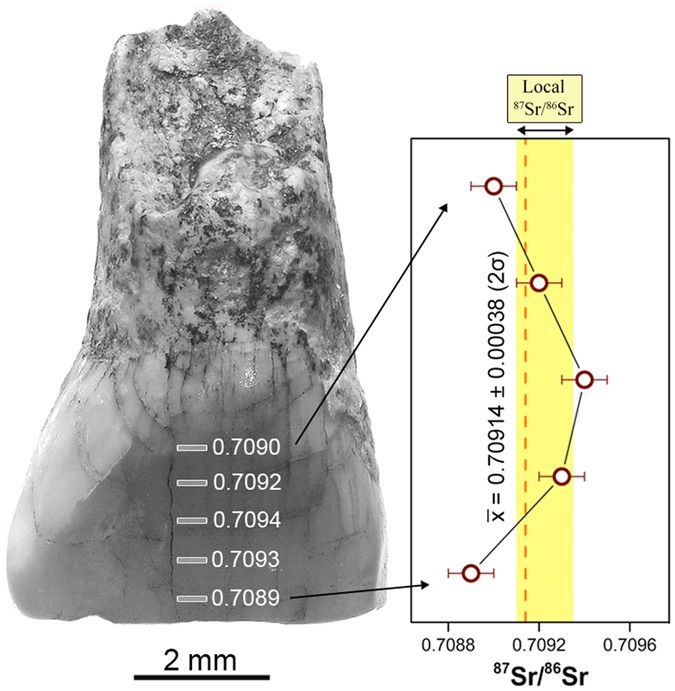
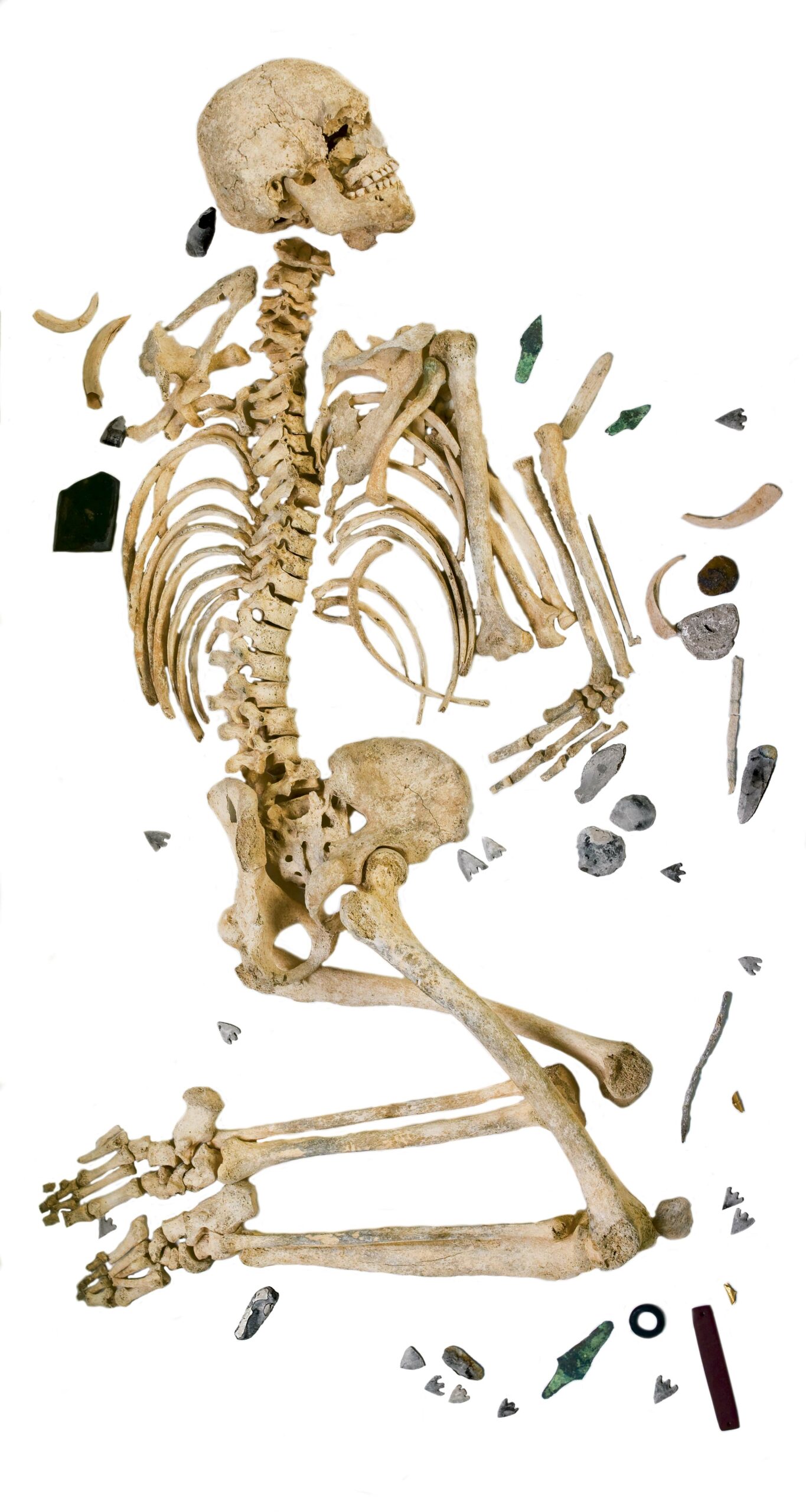
The “Amesbury Archer,” buried near Stonehenge around 2,300 BCE, is one of archaeology’s most celebrated examples. Strontium isotope analysis of his tooth enamel showed a signature completely inconsistent with southern England, pointing instead to the Alpine region of central Europe, likely modern-day Switzerland or Germany. He was buried with the richest known Early Bronze Age grave assemblage in Britain, suggesting he was a skilled craftsman or figure of high status who had travelled hundreds of miles from his homeland in central Europe and illuminating organization of wealth, trade, and status at the time.
-
Radiocarbon Dating
Radiocarbon dating is the most widely used method for establishing how old organic remains are, relying on the fact that all living things absorb a mildly radioactive form of carbon called carbon-14 from the atmosphere throughout their lives. The moment an organism dies, they stops absorbing new carbon-14, and the amount already present begins to decay at a known, steady rate (halving roughly every 5,730 years). By measuring how much carbon-14 remains in a sample compared to how much would have been present at death, scientists can calculate approximately when that organism died. For human remains, this gives archaeologists a reliable calendar date for a burial without any historical records or artefacts necessary to cross-reference.
A small sample of bone collagen or the mineral component of bone is extracted and sent to a specialist laboratory. The most precise modern method, called Accelerator Mass Spectrometry (AMS), physically counts the individual carbon-14 atoms remaining, meaning results obtained from samples can be measured as small as even a few milligrams. The result is expressed as a date range rather than a single year because of nuance due to the natural variation in atmospheric carbon-14 levels over time. To refine these ranges, researchers can use a process called calibration, cross-referencing raw radiocarbon measurements against a master record of atmospheric carbon-14 levels built from tree rings, coral cores, and cave formations stretching back tens of thousands of years.
For human remains specifically, radiocarbon dating answers the most fundamental question archaeology can ask of a burial: when did this person live? This is especially valuable when remains are found lacking other distinctive artifacts, inscriptions, or any other contextual clues that might suggest a period. In addition, When multiple radiocarbon dates from a single site are fed into Bayesian statistical models, it becomes possible to construct refined chronological sequences that can pinpoint the duration of a cemetery’s use, the timing of a mass burial event, or the generational span between related individuals buried together. It has been central to some of archaeology’s most significant revisions, including the rewriting of the timeline for the arrival of modern humans in Europe and the dating of famous individuals such as Ötzi the Iceman, whose remains were dated to approximately 3,300 BCE.
Ethics of Excavating Human Remains
The excavation of human remains raises ethical questions that scientific value alone cannot resolve. Even remains thousands of years old retain their human dignity, and archaeologists must weigh the benefit to knowledge against potential harm to descendant communities, who often hold strong cultural, spiritual, or legal claims over how their ancestors are treated. One of the most significant legal developments in this area was the passage of the Native American Graves Protection and Repatriation Act (NAGPRA) in 1990, which requires federally funded institutions in the United States to return Native American human remains and cultural items to affiliated tribes which was a direct response to centuries of remains being excavated and displayed without consent. Modern day processes include handbooks and guidelines for treatment of human remains, including this handbook from the British Archaeological Jobs and Resources, among many others. Debates around repatriation remain ongoing, with some researchers arguing that unstudied remains already in storage should be returned to communities rather than new excavations being justified on scientific grounds, and others maintaining that continued study is necessary for historical understanding (see my post Stolen, Saved, or Shared? The Ethics of Repatriation). However, what is broadly agreed upon is that consultation with descendant communities is no longer optional, but an ethical obligation, and one the field has not always met.
Works Cited:
- 23andMe. (n.d.). Neanderthal ancestry. https://customercare.23andme.com/hc/en-us/articles/212873707-Neanderthal-Ancestry-Report-Basics
- Callaway, E. (2016, March 22). Ancient-protein study pinpoints Denisovan bone. Nature News. https://www.nature.com/articles/nature.2016.19617
- English Heritage. (n.d.). The Amesbury Archer. https://www.english-heritage.org.uk/learn/story-of-england/prehistory/networks/
- Gregoricka, L. A. (2023). The ethics of excavating: Bioarchaeology and the case for rehabilitating legacy human skeletal collections in the Near East. Levant, 55(3). https://doi.org/10.1080/00758914.2023.2278287
- Jarus, O. (2012, September 12). Ötzi the Iceman: The famous frozen mummy. Live Science. https://www.livescience.com/otzi-the-iceman
- Killgrove, K. (2016, March 27). Archaeologists to study shackled skeletons from ancient Greece to understand rise of Athens. Forbes. https://www.forbes.com/sites/kristinakillgrove/2016/03/24/archaeologists-to-study-shackled-skeletons-from-ancient-greece-to-understand-rise-of-athens/
- Metcalfe, T. (2021, October 27). Bronze Age Tarim mummies aren’t who scientists thought they were. Live Science. https://www.livescience.com/tarim-mummies-origins-uncovered
- NOSAMS. (n.d.). What is Radiocarbon Dating? – NOSAMS. https://www2.whoi.edu/site/nosams/resources/what-is-radiocarbon-dating/
- Stantis, C., & Greenwald, A. (2023). Ethical considerations for human remains. @theU, University of Utah. https://attheu.utah.edu/facultystaff/ethical-considerations-for-human-remains/
- Stevens, R. E., Pederzani, S., Britton, K., & Wexler, S. K. (2025). Bones and teeth isotopes as archives for palaeoclimatic, palaeoenvironmental and palaeoecological data. Quaternary Science Reviews, 357, 109320. https://doi.org/10.1016/j.quascirev.2025.109320
- U.S. National Park Service. (n.d.). Native American Graves Protection and Repatriation Act of 1990. https://www.nps.gov/subjects/archeology/napgra.htm
- Welker, F. (2018). Palaeoproteomics for human evolution studies. Quaternary Science Reviews, 190, 137–147. https://doi.org/10.1016/j.quascirev.2018.04.033
- Zhang, F., Ning, C., Scott, A., Fu, Q., Bjørn, R., Li, W., Wei, D., Wang, W., Fan, L., Abuduresule, I., Hu, X., Ruan, Q., Niyazi, A., Dong, G., Cao, P., Liu, F., Dai, Q., Feng, X., Yang, R., . . . Cui, Y. (2021). The genomic origins of the Bronze Age Tarim Basin mummies. Nature, 599(7884), 256–261. https://doi.org/10.1038/s41586-021-04052-7